
Introduction
Recurrent ear infections in children can worry any parent. These repeated problems, also called chronic ear infections in kids, may cause persistent ear pain in children. Because of this, many families want to know how to prevent ear infections in children. In this guide, you will learn what causes these infections, how to spot warning signs, and what steps you can take to help your child feel better.
What Are Recurrent Ear Infections in Children?
Some children get ear infections often. Doctors call these recurrent or chronic ear infections. Usually, a child has three or more ear infections in six months, or four or more in a year. While most ear infections clear up, repeated ones may need extra care. Early treatment helps prevent hearing problems and other issues.
Common Symptoms and Warning Signs
It is important to notice the signs of ear infections early. Sometimes, children cannot explain their pain. Therefore, parents should watch for these symptoms:
If you see these signs often, your child may have recurrent ear infections.
Causes and Risk Factors
Many things can cause repeated ear infections. For example, children have shorter and more level ear tubes than adults. This makes it easier for germs to get trapped. Other risk factors include:
Because of these risks, some children are more likely to get chronic ear infections.
How Doctors Diagnose Repeated Ear Infections
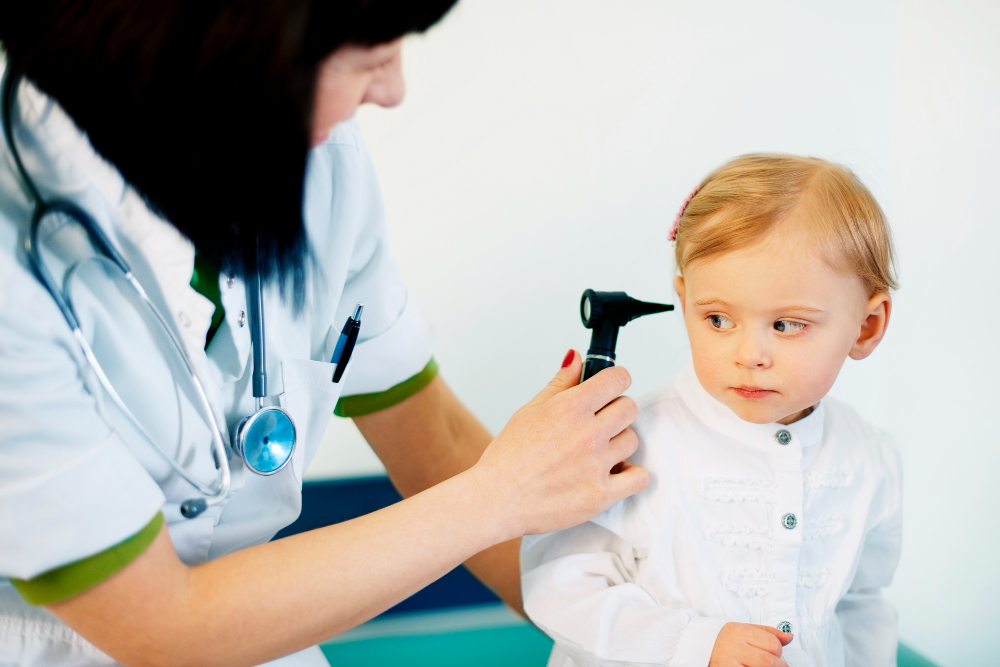
Doctors use several methods to find out if your child has recurrent ear infections. First, they will ask about your child’s symptoms and medical history. Next, they will look inside the ear with a special light called an otoscope. Sometimes, doctors use a test called tympanometry to check for fluid behind the eardrum. In rare cases, hearing tests may be needed. Early diagnosis helps prevent problems with speech and learning.
Treatment Options for Recurrent Ear Infections
Treatment depends on your child’s age, health, and how often infections happen. Often, doctors prescribe antibiotics to clear the infection. However, if infections keep coming back, other options may be needed. These include:
Because each child is different, your doctor will suggest the best plan.
Home Care and Lifestyle Guidance for Parents
At home, you can help your child feel better. For example, you can:
Always finish any antibiotics as prescribed, even if your child feels better.
Prevention Tips for Families
There are steps you can take to lower your child’s risk of ear infections. For instance:
Because prevention is key, these habits can help protect your child’s ears.
When to See a Pediatrician and What Questions to Ask
If your child has frequent ear infections, see a pediatrician. You should also call the doctor if your child:
When you visit, consider asking:
Because every child is unique, your doctor can guide you on the best steps.
Conclusion
Recurrent ear infections in children can be stressful for families. However, early care and prevention can make a big difference. Consult a pediatrician for personalized advice if your child has frequent ear infections.