
Introduction
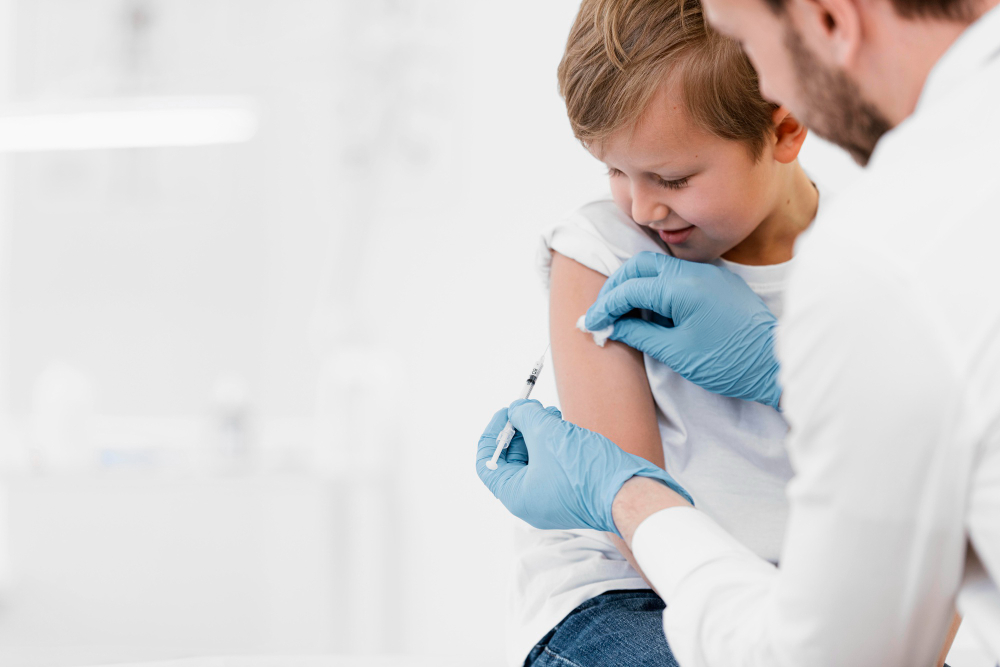
Immunisation is a simple way to protect children from dangerous diseases. It uses vaccines to help the body fight off infections. The importance of immunisation in children cannot be overstated. Childhood vaccines save lives, prevent disease outbreaks, and keep families healthy. In fact, the benefits of vaccines for kids include disease prevention, fewer hospital visits, and a stronger immune system. Parents often ask why immunisation is important for children. This blog will answer that question and more, using clear facts and easy-to-understand language.
What is Immunisation?
Immunisation means giving a vaccine to help the body build protection against certain diseases. Vaccines are usually given as shots. They teach the immune system to recognize and fight germs. As a result, children become less likely to get sick from these diseases. Immunisation is safe and tested by health experts around the world.
Why is Immunisation Important for Children?
First, immunisation protects children from serious illnesses. Many diseases, like measles or polio, can cause lasting harm or even death. However, vaccines stop these diseases before they start. Also, immunisation helps keep schools and communities safe. When most children are vaccinated, diseases cannot spread easily. This is why immunisation is important for children everywhere.
Common Diseases Prevented by Childhood Vaccines
Vaccines protect against many dangerous diseases. Some common ones include:
Each vaccine targets a specific disease. Together, they offer strong protection for your child.
How Immunisation Works: The Science Explained Simply
Vaccines contain tiny, harmless parts of germs. When given, they do not cause illness. Instead, they help the body learn to fight the real disease. If your child meets the real germ later, their body knows how to stop it. This process is safe and helps build lasting protection. According to the CDC, vaccines are tested for safety before use.
Immunisation Schedule for Children
Children need vaccines at different ages. Following the childhood immunisation schedule is important. It ensures your child gets the right protection at the right time. Usually, vaccines start at birth and continue through early childhood. Your doctor or local health clinic can provide a schedule. In many countries, the schedule includes:
Always check with your healthcare provider for updates.
Myths and Facts about Immunisation
There are many myths about vaccines. However, facts show vaccines are safe and effective. Let’s look at some common myths:
Trust information from reliable sources like the WHO and CDC.
How to Prepare Your Child for Vaccination
Getting a vaccine can make children nervous. But there are ways to help:
These steps can make the experience easier for both you and your child.
Tips for Parents: Keeping Immunisation Records
It is important to keep track of your child’s vaccines. Here are some tips:
Good records help ensure your child stays protected.
Community Benefits: Herd Immunity Explained
When most people in a community are vaccinated, it is harder for diseases to spread. This is called herd immunity. It protects those who cannot get vaccines, like babies or people with certain health problems. So, by vaccinating your child, you help protect others too. Herd immunity is key to stopping outbreaks.
Prevention and Long-Term Health Benefits
Immunisation does more than prevent illness now. It also protects your child’s future health. Vaccines can stop long-term problems caused by diseases, such as hearing loss or brain damage. In addition, healthy children miss fewer school days and enjoy more activities. Immunisation is a smart way to keep your family and community safe for years to come.
Conclusion
Immunisation is one of the best ways to protect your child’s health. It prevents serious diseases, keeps communities safe, and offers lifelong benefits. If you have questions, talk to your doctor or local health clinic. Consult your pediatrician to ensure your child’s immunisations are up to date.