
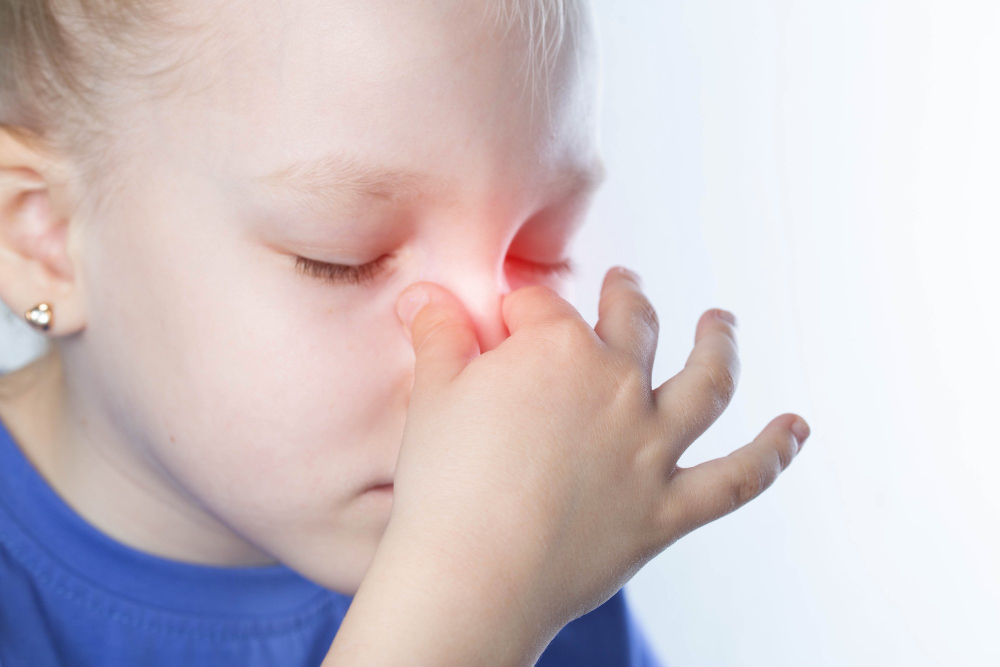
What Are Recurrent Nosebleeds?
Many parents worry when their child has frequent nosebleeds. Recurrent nosebleeds mean your child gets nosebleeds often, not just once. Usually, a nosebleed happens when blood vessels inside the nose break. In most cases, these nosebleeds are not dangerous. However, if your child keeps getting nosebleeds, it is important to know why. Understanding the causes can help you take steps to prevent them. According to the CDC, nosebleeds are common in children and often have simple causes.
Common Causes of Recurrent Nosebleeds in Children
Many parents ask, “Why does my child keep getting nosebleeds?” There are several reasons for children frequent nosebleeds. Below are some of the most common causes:
When to Seek Medical Attention
Most nosebleeds in children are not serious. However, sometimes you should seek medical help. For instance, call your doctor if:
According to the American Academy of Pediatrics, these signs may mean a more serious problem. Therefore, it is best to check with your healthcare provider.
Tips to Reduce Nosebleeds at Home
Even though nosebleeds can be scary, you can help at home. Here are some tips on how to stop nosebleeds in kids and reduce how often they happen:
When a nosebleed starts, have your child sit up and lean forward. Next, pinch the soft part of the nose for 10 minutes. This simple step usually stops the bleeding.
Preventing Recurrent Nosebleeds in Children
Preventing nosebleeds can make life easier for your child and family. For example, keeping the air moist helps protect the nose. In addition, remind your child not to pick or rub their nose. If allergies are a problem, talk to your doctor about safe treatments. Regular handwashing can also help prevent infections that may lead to nosebleeds. While most nosebleeds are harmless, staying alert to changes in your child’s health is important. If you have concerns about frequent nosebleeds, a pediatrician can help find the cause and suggest the best care.